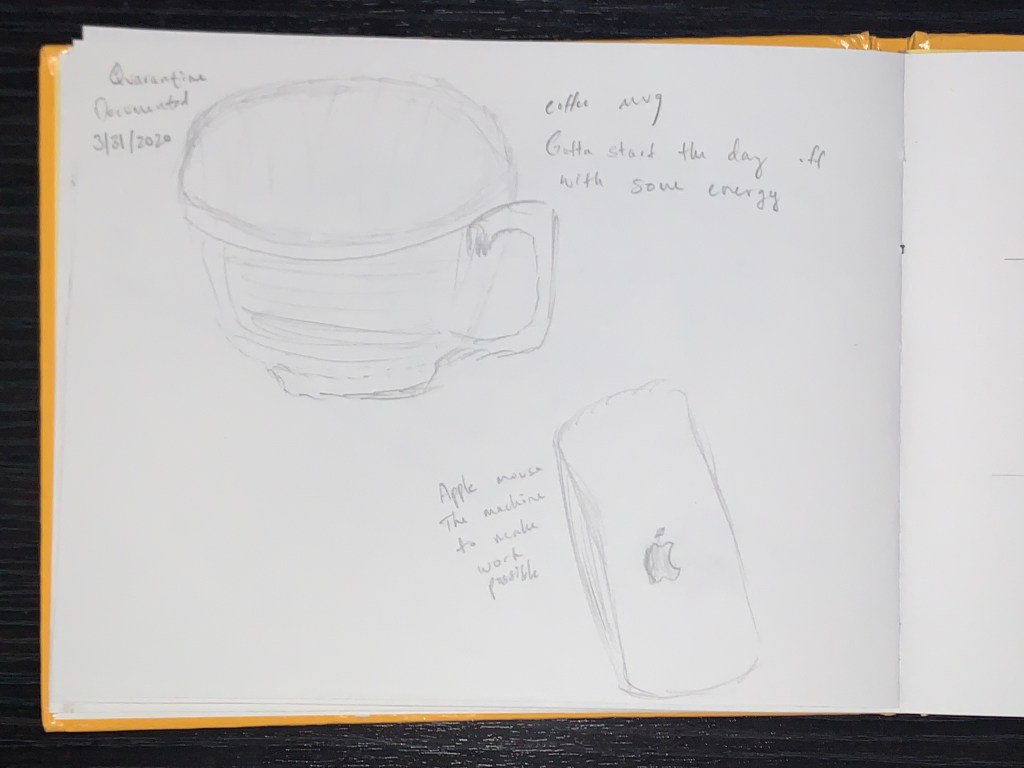
In my daily routine I’ve been drinking a lot more coffee to wake up on time, and also sitting at a desktop for hours at a time doing work for multiple classes I’ve found that my Apple magic mouse has been very useful.
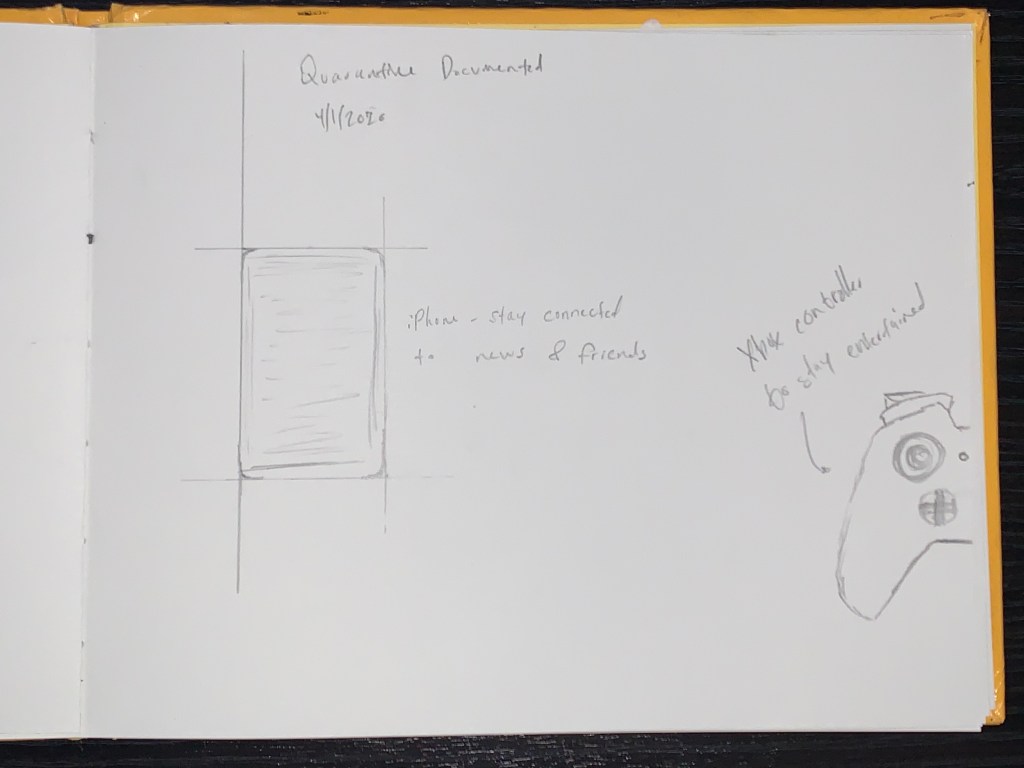
Obviously I’ve been using my phone almost non stop to stay in touch with my friends and up to date with the news, and also a lot of Xbox because of the extended free time I now have.
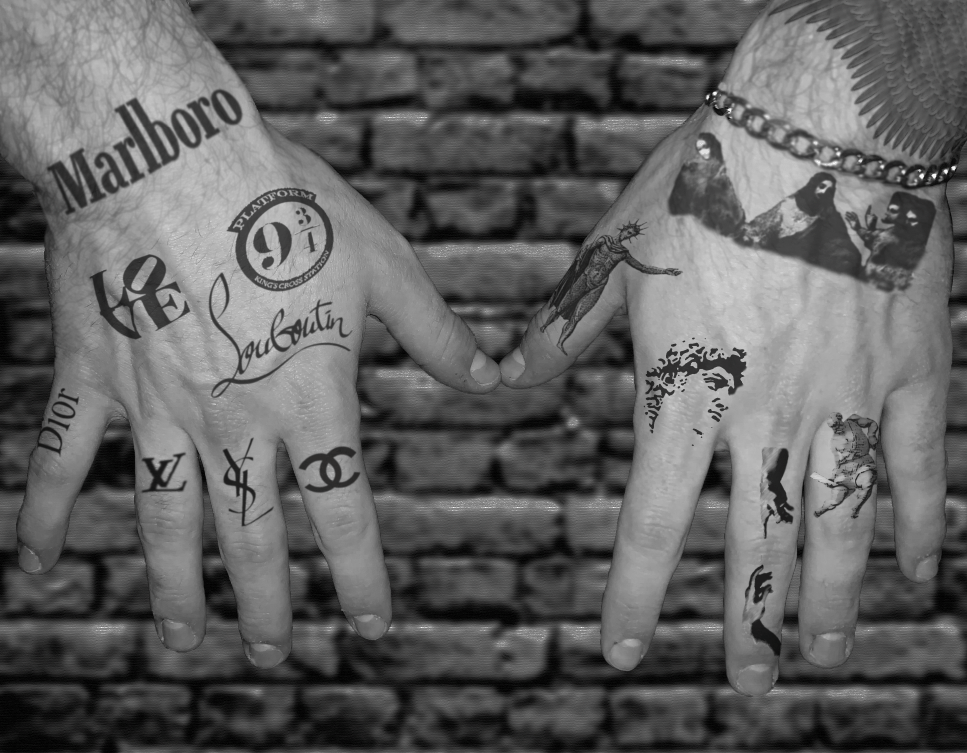
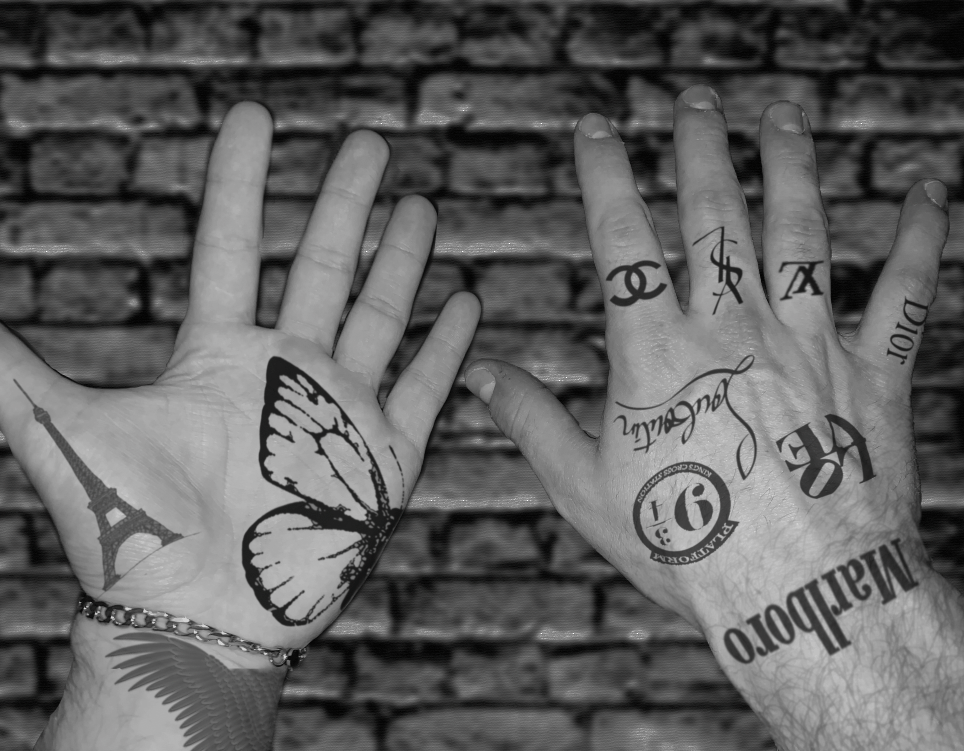
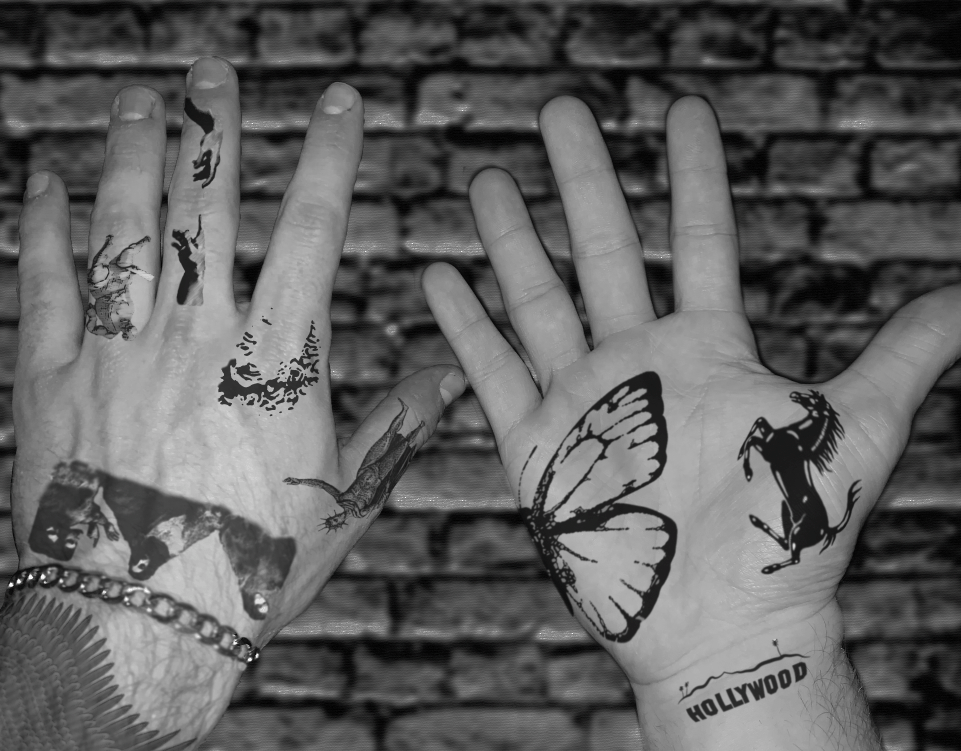
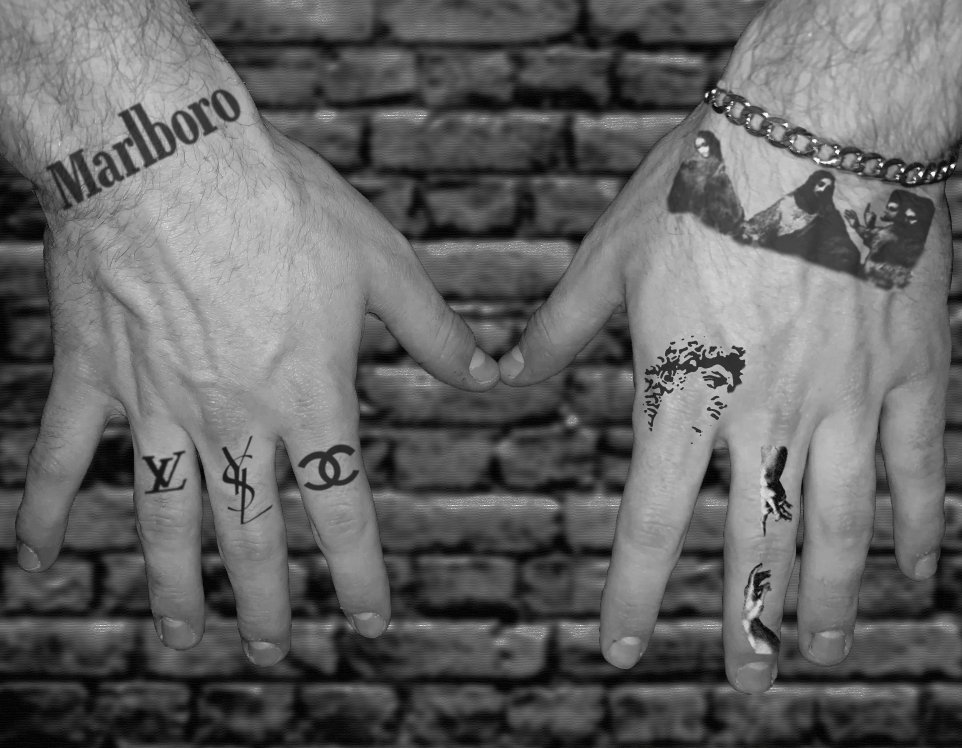
I have been using mostly Photoshop and image galleries online to create these mockups. Down the road, I will likely add more images of my hands in slight movements and then print them and create a flip book sort of thing to really apply motion techniques to the end product. To explain again – hand tattoos are pretty uncommon for people my age, so I wanted to create digital mockups of what they would look like on me. Both my hands highlight what can be good or bad about the tattoo art industry, as one hand is marked up with logos and such and the other is covered in historical art pieces. The final product will look like a digital gallery of a few images and likely a physical flip book to highlight my hands’ movement and the movement of the art on the skin as it stretches and morphs.
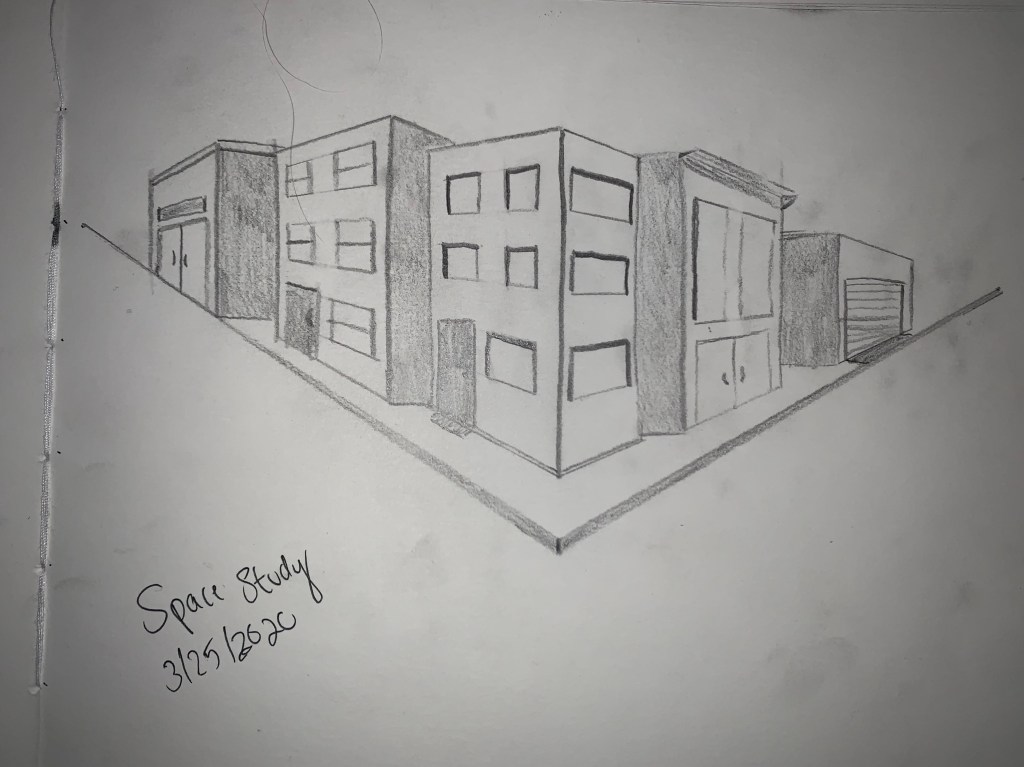
I was looking at a photograph of a nearby town in my house as a reference for this space sketch. It’s a great example of space as it shows a two point perspective of some buildings and a street. The reference is printed on photo paper and the sketch is graphite on drawing paper.
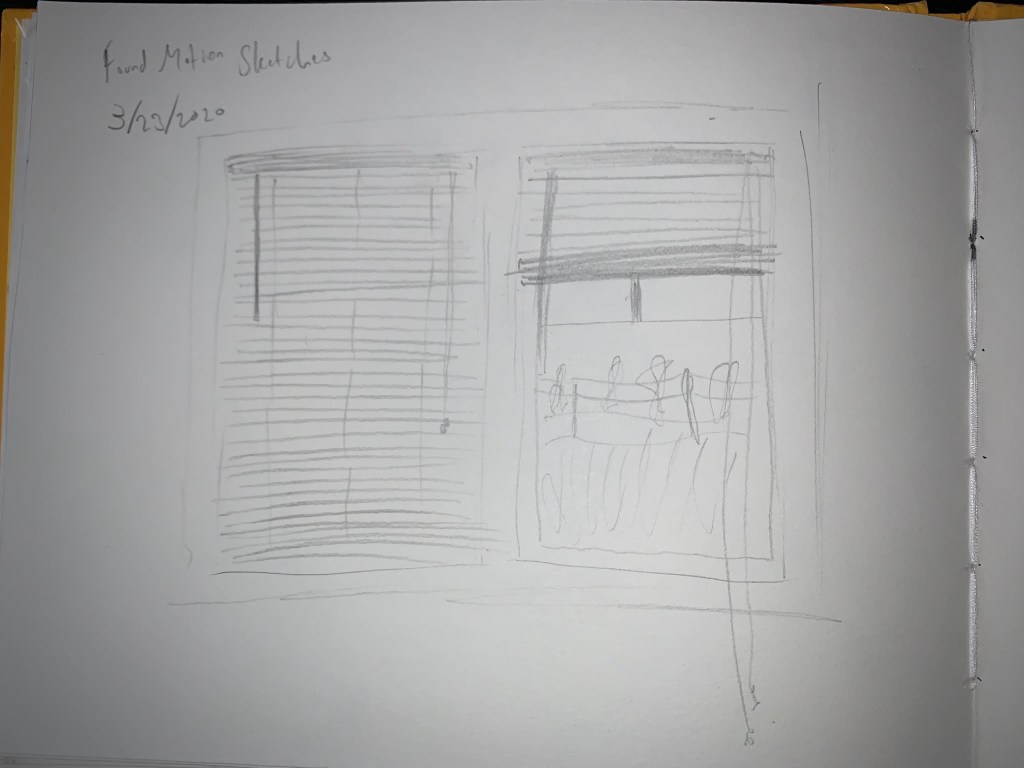
For this found motion sketch, I looked at the blinds in my room. I set one down and one up to show the possibility of movement and what happens when one moves versus when one stays down. The blinds are made of plastic and the sketch is graphite on drawing paper.
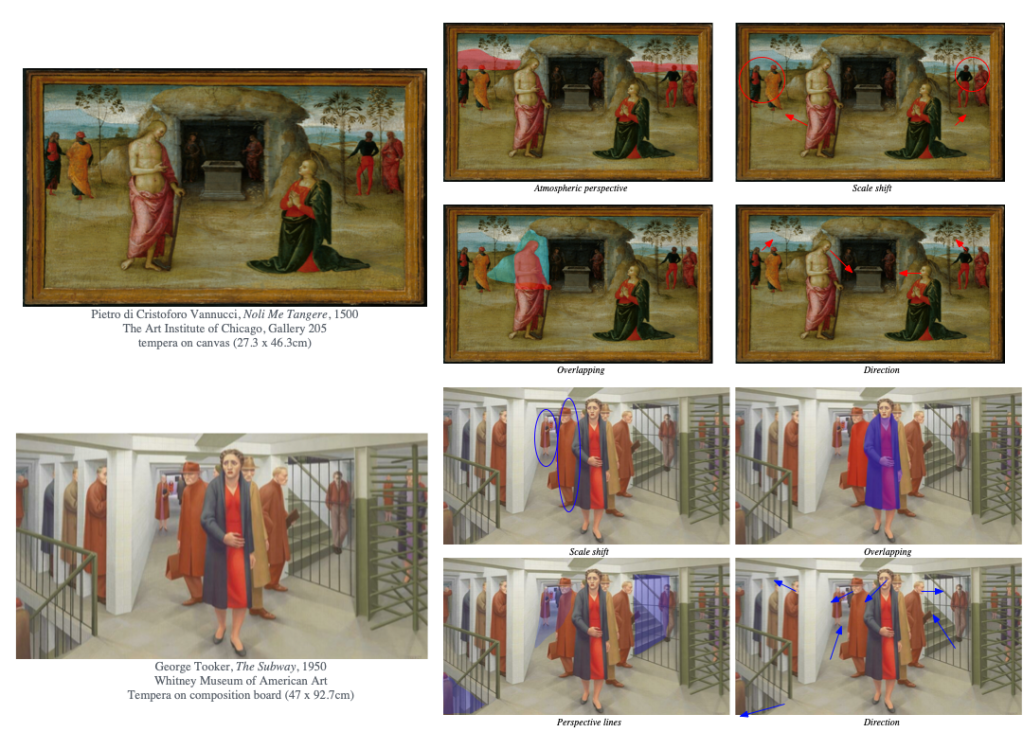
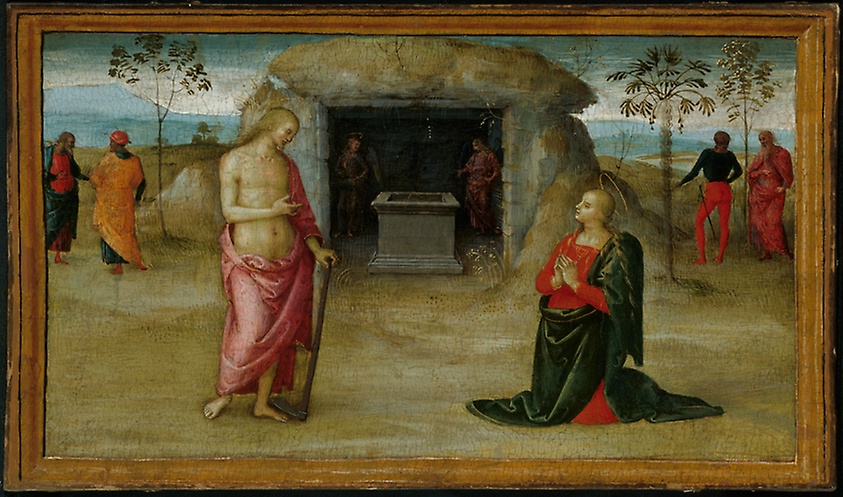
Pietro di Cristoforo Vannucci, Noli Me Tangere, 1500
The painting Noli Me Tangere is an excellent representation of an early form of space in painting. Vannucci uses atmospheric perspective to create an illusion of a far away background as well as a scale shift from the figures in the foreground as compared to the background.
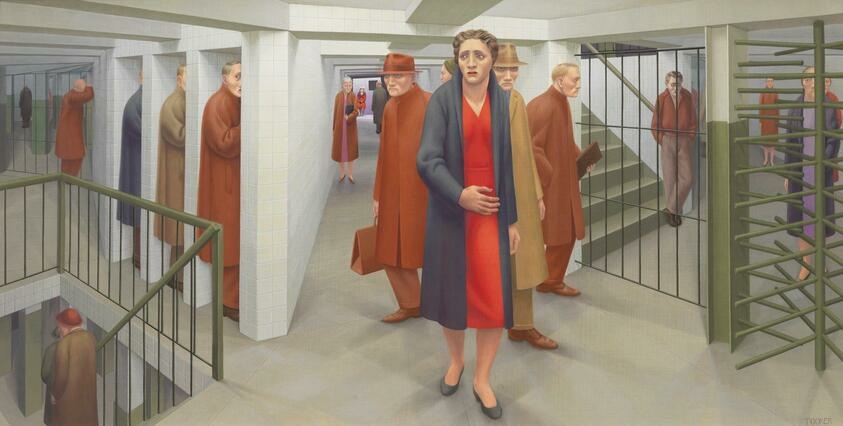
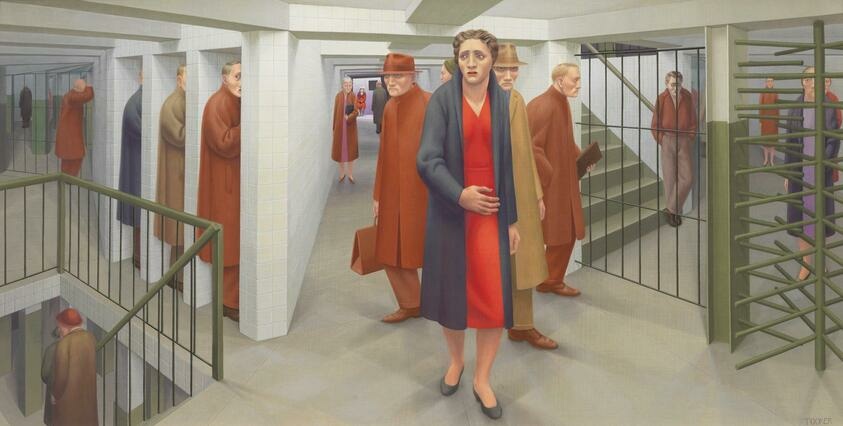
George Tooker, The Subway, 1950
Tooker’s The Subway not only creates a confusing scene but also an illusion of a multidimensional space. The two point perspective of the hallways makes the space almost endless, while the scale shift of the people farther away shows that there is definitely depth to the confusing subway station.
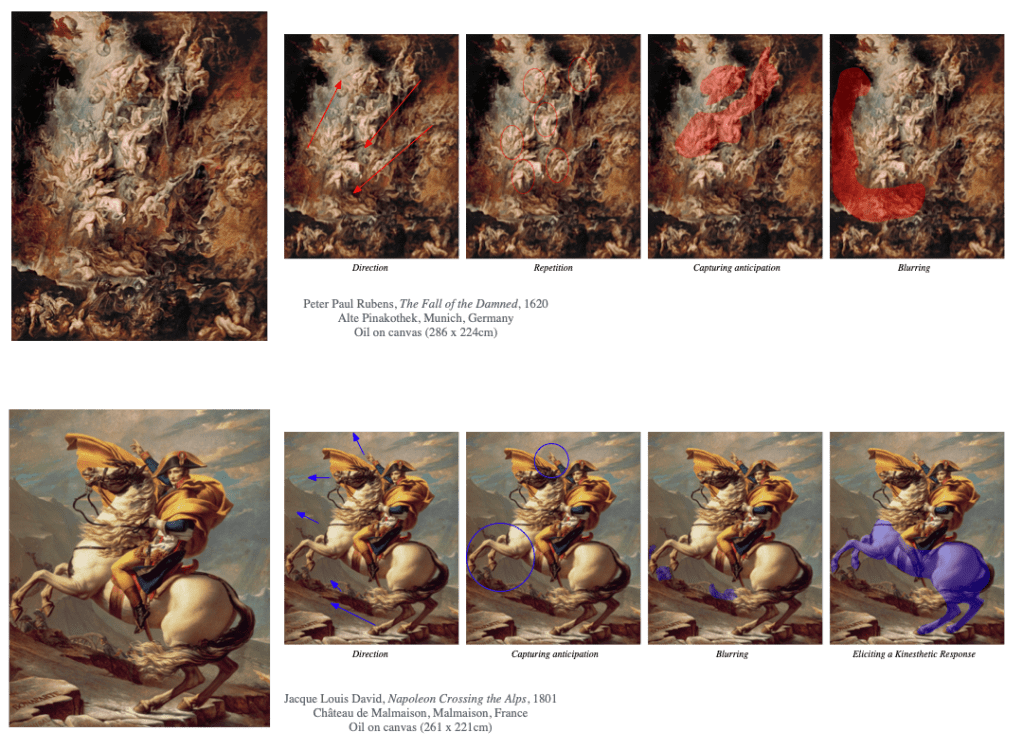
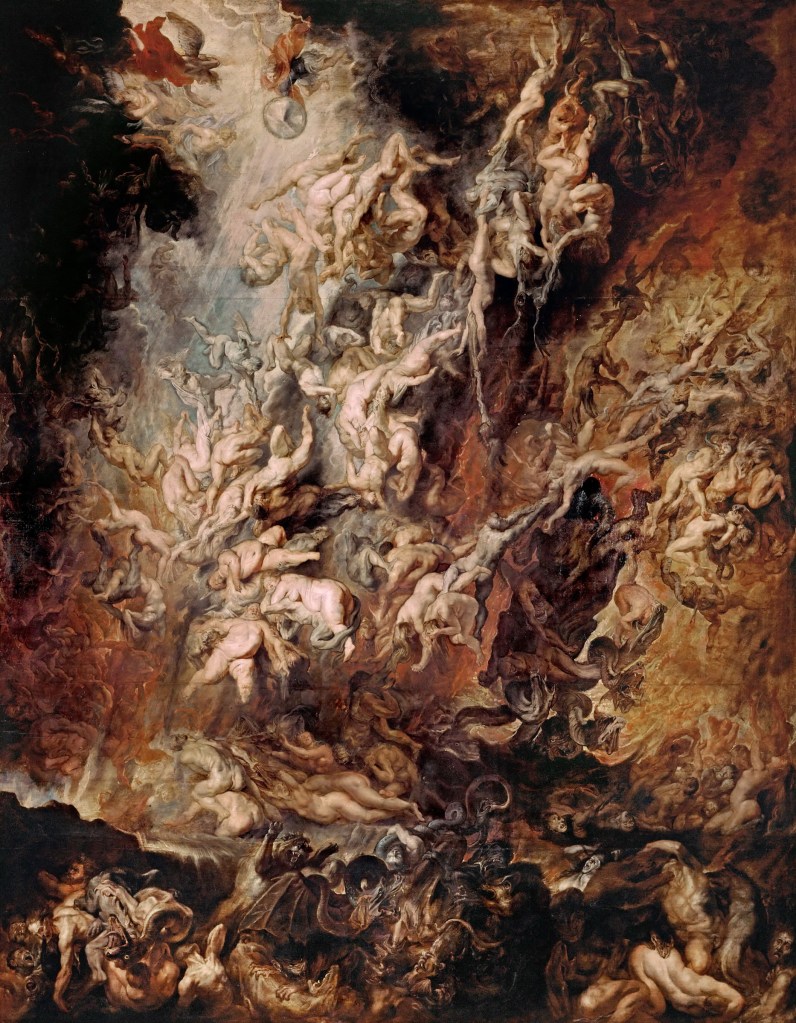
Peter Paul Rubens, The Fall of the Damned, 1620
Rubens’ 1620 Baroque oil painting represents motion in art perfectly as the bodies are seemingly falling out of the sky. You can almost envision the scene happening in front of you, and his use of direction and repetition definitely add to the movement.
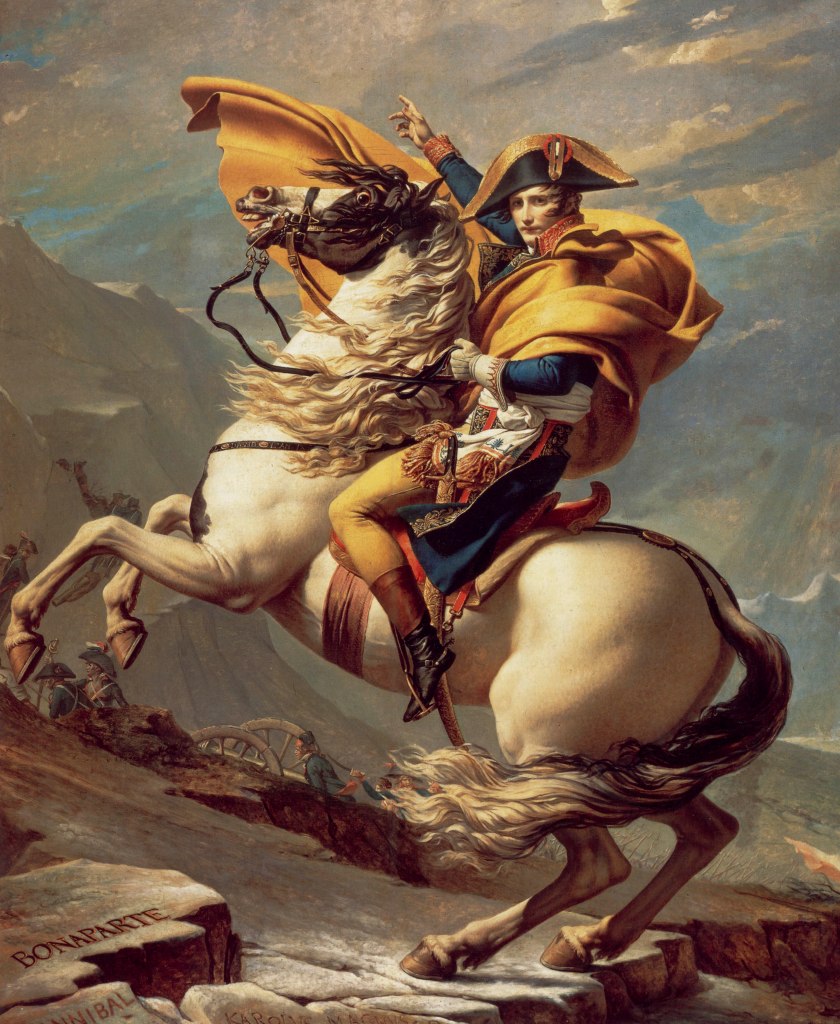
Jacque Louis David, Napoleon Crossing the Alps, 1801
David’s paintings throughout the French Revolution were nothing short of extraordinary, and his depiction of this fictional scene of Napoleon fits into a motion category in art history. The direction of the horse creates a sense of movement, as David also captures an anticipation or pause in the rearing of the horse to signify that it will keep charging forward.
For project 3.2, I have begun my studies with tracing, rubbing, photography, and digital mockups to further my knowledge of the project. Since I will be focusing on movement and spacing of tattoos as artwork, my studies reflect many of the ideas that go into creating, tattooing, and the final result.
Tracing helped me understand the movement and spacing of the line work that is present in every tattoo. Since lines are an essential part of every tattoo, tracing was a basic way to start a study of line and spacing that must make sense in order to create a successful tattoo or design.
The next method I used to further my studies was rubbing. While this didn’t expand my knowledge as much as tracing did, it helped me understand that even seemingly two-dimensional designs can be altered or warped to create an idea of texture, depth, and space.
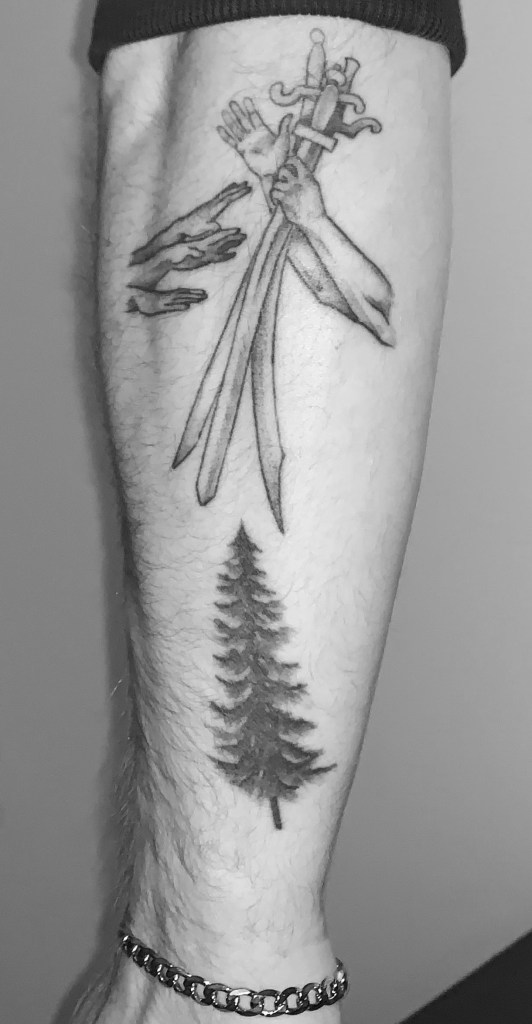
One thing that really helped me understand the movement of tattoos across the body was photographing my own tattoos and observing how they stretch and warp with the skin as they tend to wrap and morph with movement of the body. This was also very helpful as I had a reference to understand how tattoos can be rendered onto skin digitally, which is evident in my mockup below.
This is the beginning of my project, developed in Adobe Photoshop. I found that this program was much better and produced a lot more realistic results than Graphic can. I not only utilized graphic designs, logos, classical art images, and a digital software, but photography as well (my hands are in the image). It’s a long and difficult process to be able to make each “tattoo” look not only digitally but physically realistic, but with warping and filter tools I think I’m getting a hang of it. While this doesn’t represent a classical view of movement, I think that the movement of the ink as it warps around skin is something that’s evident on anyone with tattoos. I believe that tattooing can be a very refined art, but at times not as respected, just like most other forms of art (such as photography). With that in mind, one of my hands is supposed to be a sort of a walking billboard, and the other is a reference to classical art and the beauty that tattooing can have. Looking at tattoo artists’ Instagrams and ideas on Pinterest will help me further develop the mockup, as I would like to almost completely cover my hands in the process. This is still the beginning stages of my project and I’m still brainstorming on how I can incorporate more movement into the final design and product.
Throughout art history, artists have used different methods in order to create space in their pieces. There was even a time when artists didn’t understand and couldn’t grasp one and two point perspective to create space. The following few artworks display a variety of methods that convey space to the audience throughout art history.
The work Noli Me Tangere from a gallery at the Chicago Art Institute uses a few basic methods to convey space. The scale shift of the people in the front from the people in the back creates a foreground-background idea where the smaller people appear farther away. An idea of atmospheric perspective of the clouded mountains creates a background in the distance, adding to the idea that the space in this painting is pretty vast and extensive.
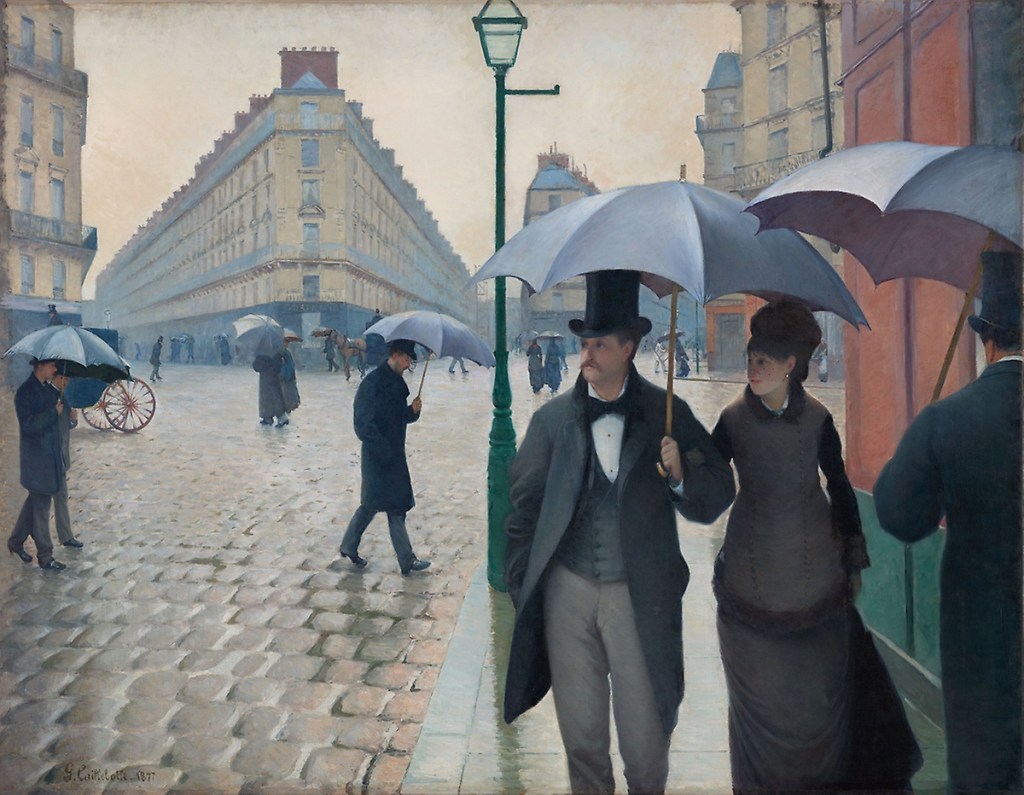
Another piece from the Chicago Art institute that has excellent ideas regarding space is Paris Street; Rainy Day by Gustave Caillebotte. This painting displays a great understanding for two point perspective as well as a scale shift of the people walking, making it appear that the smaller bodies are walking away from the viewer as the two in the foreground are walking towards the viewer.
George Tooker, The Subway, 1950
On display in the Whitney Museum of American Art, one of my “least” favorite (a very confusing one) paintings creates a very complicated illusion of space. The focal point of the woman seems confused about the space of the subway station, as should the viewer be. There seems to be an idea of two point perspective of the endless middle and left hallways, and a three dimensional aspect of the staircases going up/down into space. One of the main takeaways from this painting that I have every time I see it is the confusion of the woman as there appears to be no exits, and the mindless movement of the identical men in the subway that can allow for many different interpretations.






 Peder Harvey Design