
The painting Noli Me Tangere is an excellent representation of an early form of space in painting. Vannucci uses atmospheric perspective to create an illusion of a far away background as well as a scale shift from the figures in the foreground as compared to the background.
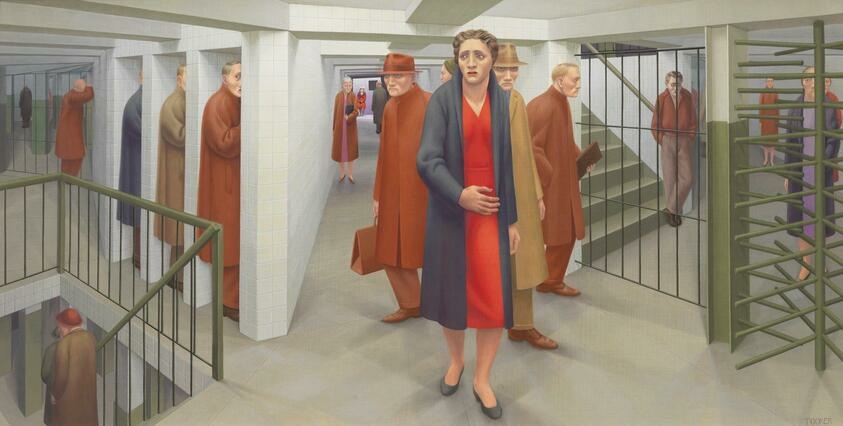
Tooker’s The Subway not only creates a confusing scene but also an illusion of a multidimensional space. The two point perspective of the hallways makes the space almost endless, while the scale shift of the people farther away shows that there is definitely depth to the confusing subway station.
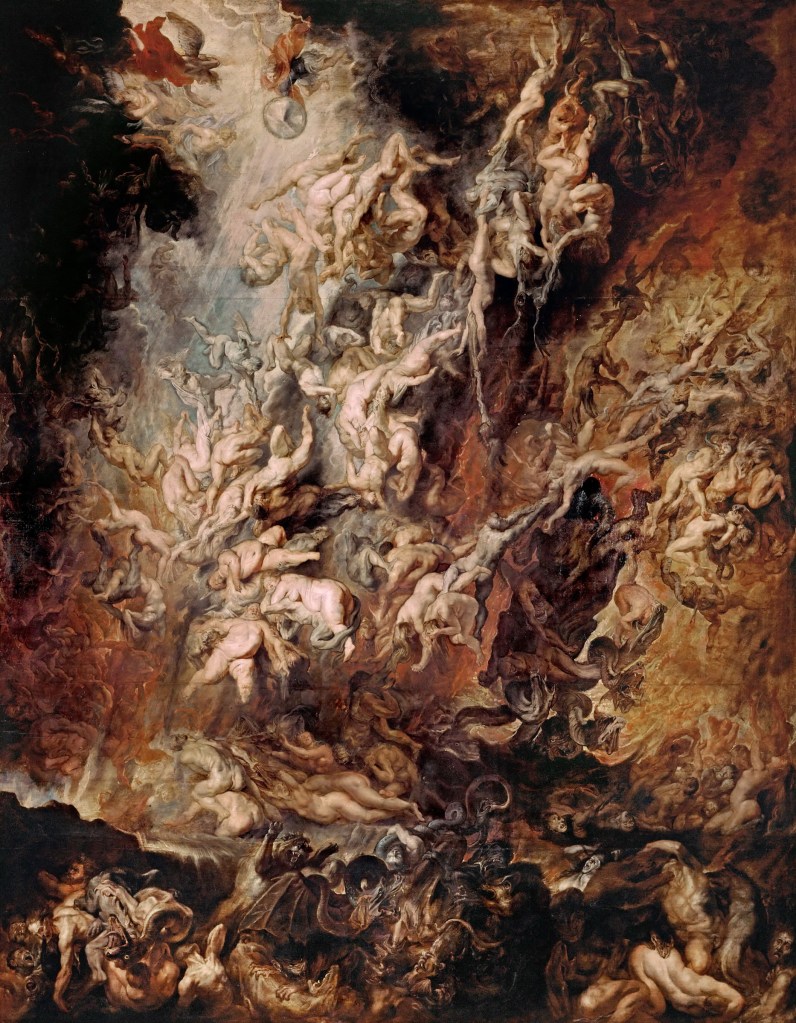
Rubens’ 1620 Baroque oil painting represents motion in art perfectly as the bodies are seemingly falling out of the sky. You can almost envision the scene happening in front of you, and his use of direction and repetition definitely add to the movement.
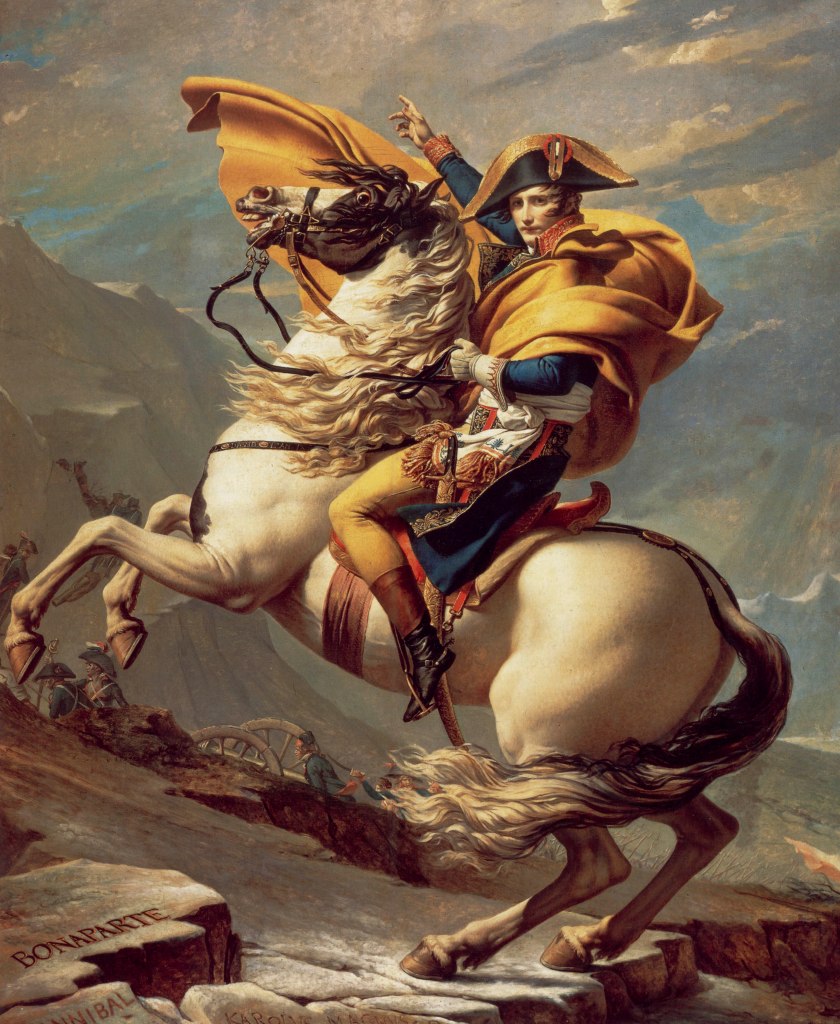
David’s paintings throughout the French Revolution were nothing short of extraordinary, and his depiction of this fictional scene of Napoleon fits into a motion category in art history. The direction of the horse creates a sense of movement, as David also captures an anticipation or pause in the rearing of the horse to signify that it will keep charging forward.

 Peder Harvey Design